
Understanding Digital Privacy Laws in the Era of Social Media
Digital privacy laws have evolved significantly over the past two decades in response to the rapid expansion of the internet and social media platforms. Initially, legislation focused on protecting personal information collected by corporations and government agencies. As social media became a dominant communication tool, these laws expanded to cover user-generated content, location data, and behavioral tracking. Regulations such as the General Data Protection Regulation in the European Union and the California Consumer Privacy Act in the United States set frameworks for how organizations must collect, store, and process personal data. These laws aim to give users greater control over their information and require organizations to maintain transparency in their data practices. Understanding this evolution is essential for recognizing how digital privacy protections have adapted to address the unique challenges of social media.
Social Media Platforms and Data Collection

Social media platforms collect vast amounts of user data to improve the user experience and drive targeted advertising. This data can include demographic details, browsing habits, geolocation, and interaction patterns with other users. Digital privacy laws regulate how platforms can gather this information and establish boundaries for its use, including obtaining consent, limiting data retention, and allowing users to access or delete their information. Compliance with these laws varies across jurisdictions, creating complex challenges for platforms that operate globally. The interaction between social media services and regulatory frameworks illustrates the tension between innovation and user privacy, underscoring the importance of understanding the legal obligations governing digital interactions.
Challenges in Enforcing Privacy Laws
 Enforcing digital privacy laws in the social media era presents numerous challenges. Platforms may have complex data flows that cross multiple countries, complicating jurisdictional authority. Moreover, technological innovations, such as artificial intelligence algorithms and predictive analytics, can create opaque data-processing practices that are difficult to monitor. Compliance audits, penalties, and legal proceedings are essential tools for enforcement, but they are often reactive rather than preventative. These challenges underscore that while privacy laws provide a regulatory framework, their effectiveness depends on continuous monitoring, global cooperation, and legal systems’ ability to adapt to rapidly changing technologies.
User Rights Under Privacy Laws
Digital privacy legislation provides individuals with specific rights regarding their personal information. Users can request access to the data collected about them, seek corrections, or, in some cases, demand the deletion of information. Certain regulations also include the right to opt out of targeted advertising or automated decision-making processes that rely on personal data. These rights are designed to empower users to manage their online presence and maintain control over the dissemination of personal information. However, exercising these rights often requires awareness of the applicable laws and the procedures for submitting requests, underscoring the need for greater public understanding of digital privacy protections in a social media context.
The Role of Awareness and Education

User awareness and education are crucial to the effectiveness of digital privacy laws. Individuals who understand their rights and the mechanisms for protecting personal information are better equipped to navigate social media safely. Educational initiatives, public campaigns, and transparent communication from platforms can enhance compliance and foster responsible data usage. Moreover, informed users can advocate for stronger protections and hold organizations accountable for privacy breaches. Ultimately, the interaction between legal frameworks and public awareness determines the extent to which digital privacy laws can successfully safeguard personal data in the social media environment.
Digital privacy laws are a vital component of protecting personal information in the era of social media. These regulations have evolved to address the complexities of data collection, platform operations, and user rights, yet enforcement remains challenging in a globally interconnected and technologically advanced landscape. Educating users and fostering awareness of privacy rights enhances the effectiveness of these laws, ensuring individuals can maintain control over their digital footprint. Understanding the interplay between legislation, technology, and public knowledge provides a comprehensive perspective on how privacy protections function and highlights the ongoing need for vigilance as …





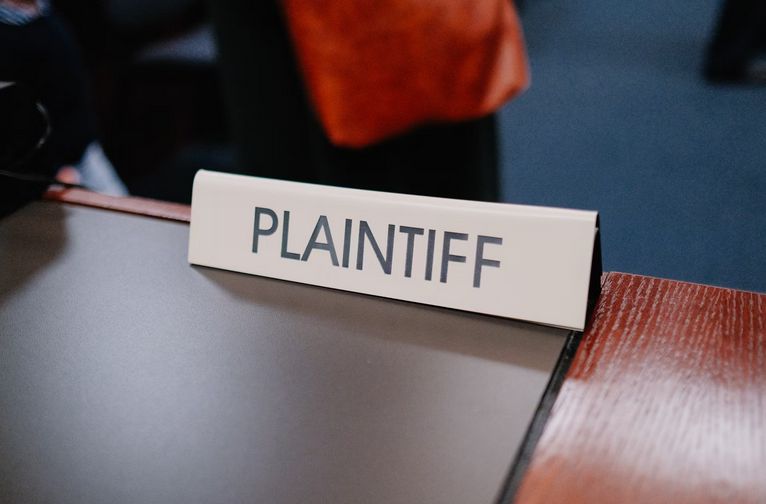






 One way to win a court case is to hire a great lawyer. A great lawyer knows the ins and outs of the legal system, which is invaluable in a court battle. Furthermore, an experienced attorney can help you develop a strategy to present your case to the judge or jury in the best light possible. If your family or friends can recommend a lawyer, then give that person a try.
 The last way to win a court case is to develop an effective defense strategy. This means creating an argument that will clearly present the facts of your case in the most favorable light. The way you present your evidence and arguments in court can be just as important as the actual legal principles involved in the case. In addition, you should also consider any possible weaknesses in your case and how they can be addressed.
 A personal injury case is a legal case in which someone tries to obtain compensation from another party due to negligent actions that resulted in physical, emotional, or financial damage. The most common types of these cases are car accidents and medical malpractice claims. This means that the person who caused your injury was not taking reasonable care while driving their vehicle (or being driven by someone else).

 When you’re in the middle of a divorce, it’s easy to feel like no one can understand. You may be tempted to try and power through on your own by “being strong” or not talking about what you are going through. This is an understandable response, but please don’t make this mistake! Instead, seek help and guidance from a professional therapist or your closest friends and family members that can offer you peace of mind and a shoulder to cry on.
 Different criminal defense attorneys specialize in specific types of criminal cases. If you want to find the best attorneys, it is essential to understand the nature of your criminal case to enable you to choose the best lawyer. It is crucial to select the right lawyer based on your charges to determine the success of your case. If you are convicted of fraud charges, then a criminal fraud lawyer will assist you in your case and ensure you win.
 Those benefits can range from professionalism to peace of mind. The critical point here is that you will need to make sure that you are working with the best attorney to enjoy some of these benefits, as illustrated below.
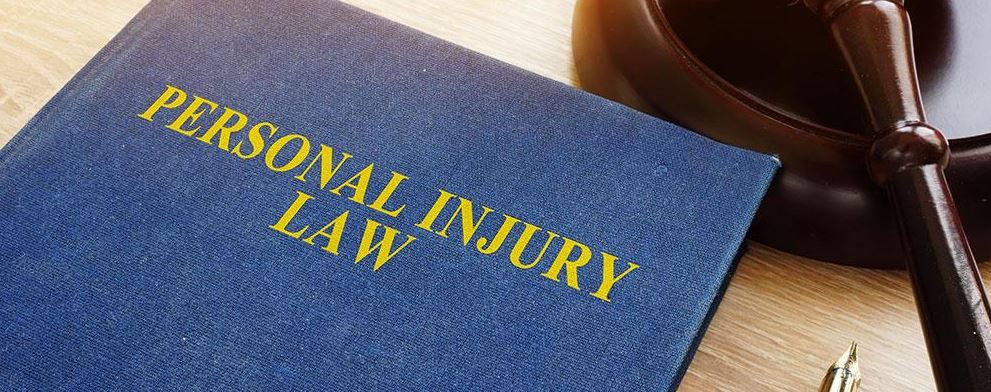
 Personal injury attorneys also offer the necessary legal counsel. This is vital if you want to have an easy time throughout the hearing process. They can also advise on the right amount to quote as your compensation. This is after examining your medical expenses and other damages incurred. You will have a smooth time during your case when you hire one. Some personal injury attorneys can liaise with insurance companies to ensure their clients are compensated. It would be best if you looked for the right lawyer for a successful hearing. Here is what to consider when hiring one.
 Legal Fees


 is to get compensation. You may incur a lot in medical bills after an accident. The person responsible for the crash should foot the bills. Families and loved ones who suffer emotional harm will also get justice and compensation. Look for a personal injury attorney who is qualified for the job. Hiring one can be beneficial to your case in several ways which include:
 If you do not have the cash to get yourself out of custody, you need assistance from the bail bondsman. In this case, the common type you are given is a surety bond. It is secured when you pay 10% of the bail amount to the bondsman while promising that you will attend court hearings. When you pay 10% of the bond, the bondsman covers the rest, allowing you to get back home to your family and friends. Usually, bail bond agencies are flexible as they help you to secure your surety bond by providing flexible payment plans that suit your needs.
 The last thing you can do is to hire a lawyer with no experience. A hernia mesh lawsuit is a medical negligence type of case, and this means that there are a lot of medical terms used. You cannot hire a lawyer who knows nothing about medical negligence case.
 Keeping records is essential when perusing the case. You need to make sure that you have all the evidence to pursue the case. You need to remember that a medical negligence case is based on facts and it is essential to have all the necessary evidence to support your claim. Keep all the medical records and make sure that you present them in court at the right time.